


Iron Oxide Red
Red iron oxide is ferric oxide, ground fine enough to give an even colour with no specks. The colour it gives depends on the amount and on the kiln atmosphere.
Also available:


Products
Red iron oxide is ferric oxide, ground fine enough to give an even colour with no specks. The colour it gives depends on the amount and on the kiln atmosphere.
Also available:

Red copper oxide is cuprous oxide, and it has more copper per gram than any other copper addition we stock. It colours glazes and slips like the other two copper additions.
Also available:

Zircopax is milled zircon, and a common way to make a glaze white and opaque. The particles stay suspended in the glass instead of dissolving, and they scatter the light.
Also available:
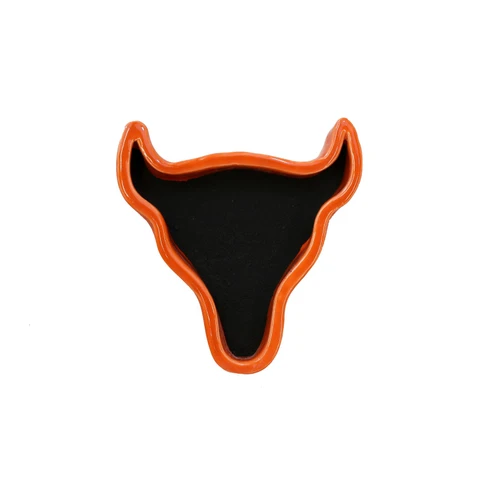
Black copper oxide is the more concentrated of the two commonest copper additions, with more copper per gram than the carbonate. It colours glazes and slips.
Also available:

Yellow Ochre is an iron-bearing colourant for ceramic slips, engobes, glazes and clay bodies. It can produce warm earthy colours, with the fired result depending on the formulation and firing conditions.
Also available:
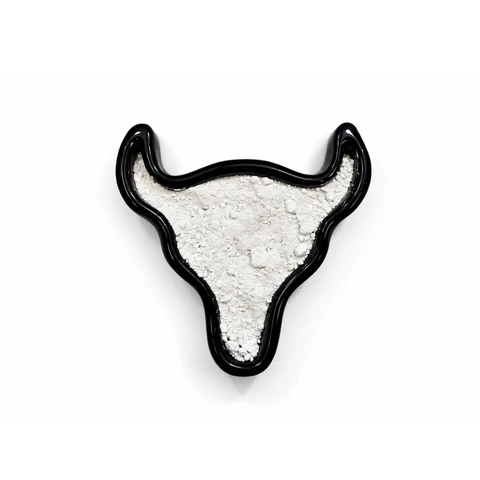
Tin oxide is the opacifier that turns a glaze white. Part of it dissolves into the melt, so the whiteness depends on the rest of the recipe.
Also available:

Cobalt oxide is a black powder that fires blue, and it is the more concentrated of the two cobalt powders. It colours glazes, slips and clay bodies.
Also available:
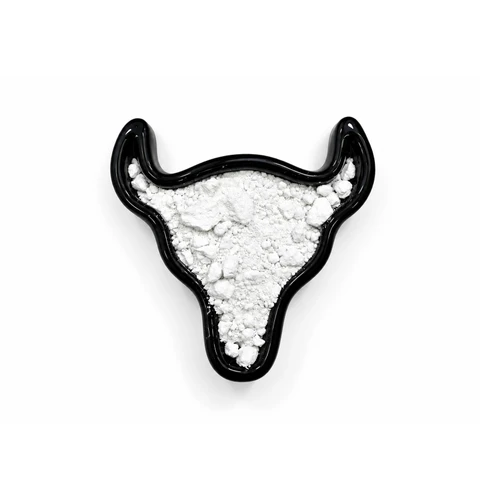
Titanium dioxide dissolves into a glaze melt and crystallizes again as the kiln cools. The amount decides whether it variegates a surface or whitens it.
Also available:

Silicon carbide is a synthetic grit that reduces a glaze from the inside. A very small amount brings copper reds out of an electric kiln, and more of it blows the surface open into craters.
Also available:
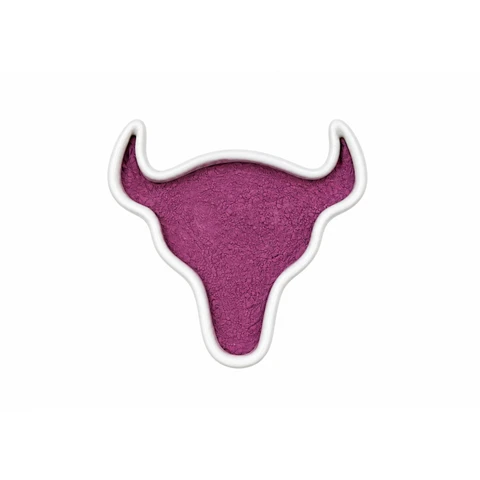
Cobalt carbonate is the usual source of blue in pottery, and cobalt is the strongest of the colouring oxides, so a very small addition is enough. It colours glazes, slips, engobes and clay bodies.
Also available:

Granular rutile is a milled natural mineral, almost all titania with small amounts of iron and other metals. The grains are coarse enough to survive the firing instead of dissolving into it.
Also available:

Chrome oxide is a strong green colouring oxide for glazes and slips. A trace is enough to read as green, and it is also the raw material behind many commercial green and pink stains.
Also available:

Ceramic Rutile is a natural titanium mineral, calcined and milled to a fine powder. It disperses through a glaze melt, and it changes the texture of a glaze surface more than its colour.
Also available:

Talc is a hydrated magnesium silicate, and the softest mineral on the Mohs hardness scale. It is the main flux in many low fire white bodies, and in a glaze it is one of the main ways magnesia is added.
Also available:

Gum CMC is a cellulose gum that thickens a glaze and binds the dried layer to the pot. It makes a glaze brushable and lets a second coat be applied without lifting the first.
Also available:

Cryolite is sodium aluminium fluoride, an insoluble source of soda that melts at a very low temperature. It is used in glazes, frits and enamels in small additions.
Also available:
