


Plainsman Clays | CRYO
Cryolite
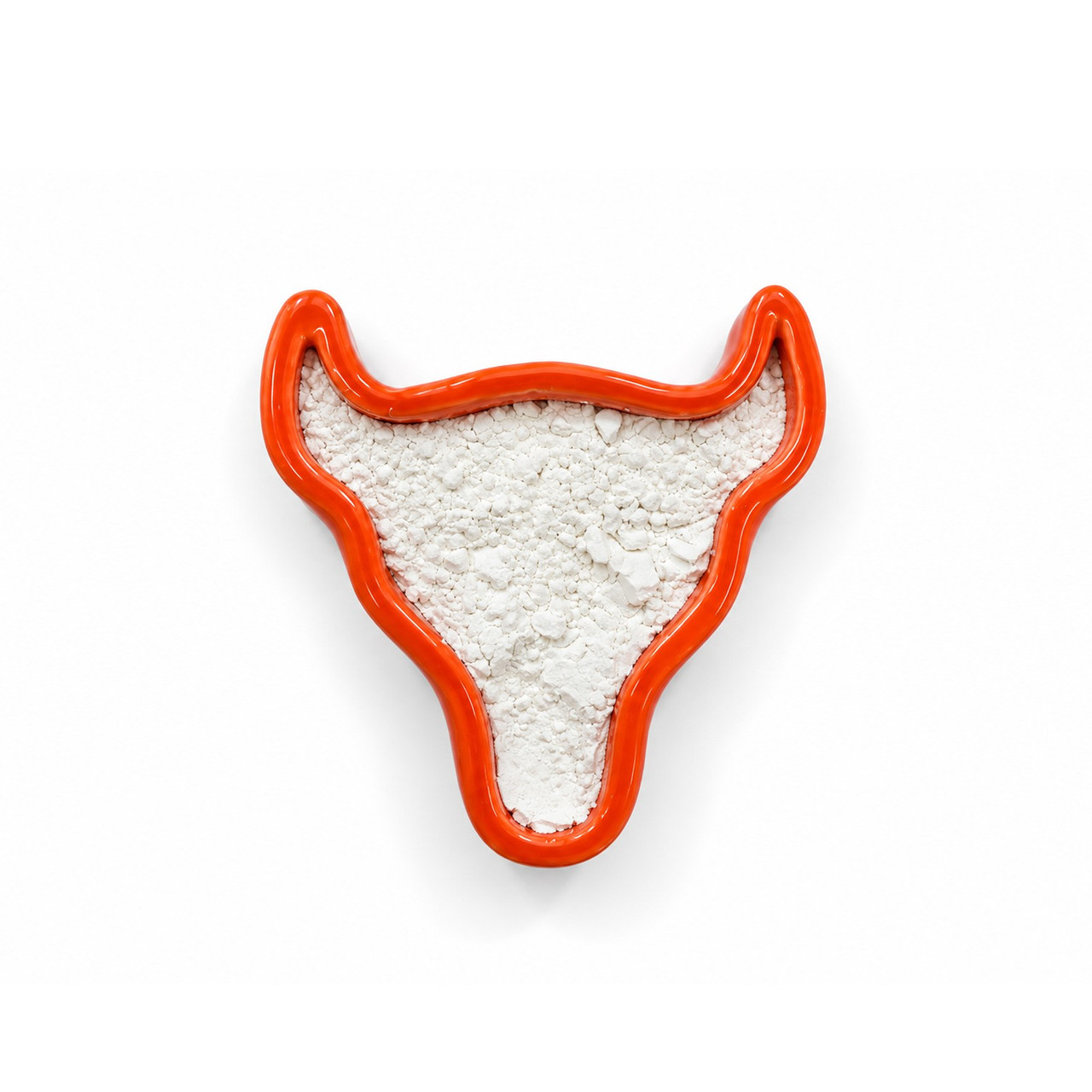
Cryolite is sodium aluminium fluoride, an insoluble source of soda that melts at a very low temperature. It is used in glazes, frits and enamels in small additions.
$0
Suggested retail price. In-store prices and availability may vary by location.
Cryolite is sodium aluminium fluoride. It is used for two reasons. It supplies soda that will not dissolve in the glaze water, and it melts at a very low temperature. Soda ash and borax both dissolve, and dissolved sodium soaks into bisque unevenly, recrystallises in the bucket and makes the recipe drift as the glaze is used up. Cryolite is insoluble, so the soda stays in the glaze. It melts around 1010°C, well below where a stoneware glaze matures, and a small addition changes a glaze a lot. Over half its weight is fluorine, and most of that leaves as gas during the firing, late enough to bubble through a glaze that has begun to seal. Small additions give crackle, and larger ones blister and pinhole, which is how some crater glazes are made. The same gas is hard on kiln elements and shelves, so cryolite suits occasional firings on well protected shelves. It has no effect on kiln atmosphere and will not reduce a glaze in an electric kiln. One caution for anyone doing glaze calculation. An oxide analysis of cryolite adds up to more than the whole material, because reporting a fluoride in oxide form counts oxygen it does not contain, so a recipe calculated straight from those figures overstates what cryolite supplies.
- Sodium aluminium fluoride, made synthetically
- An insoluble source of soda, it will not dissolve into the glaze water
- Melts around 1010°C, a small addition changes a glaze a lot
- Over half its weight is fluorine, and most of that leaves as gas
- Small additions crackle, larger ones blister and pinhole
- Hard on kiln elements and shelves, so keep it for occasional firings
- No effect on kiln atmosphere, it will not reduce a glaze in an electric kiln
- An oxide analysis of it counts oxygen the material does not contain
