



Plainsman Clays | SCULPTURECLAY

$45.32 / 20 kg (44 lb) Pugged
$0
Suggested retail price. In-store prices and availability may vary by location.
High fired, Tan to brown burning, Heavily grogged, Highly plastic, Vitreous, Sculpture and Hand-building clay body
High temperature sculpture body · tan to brown burning · heavily grogged · vitreous
Coarse grog on a smooth, fine-particled plastic base · highly plastic
Sculpture · hand-building · large and overhung forms · outdoor work · throwing
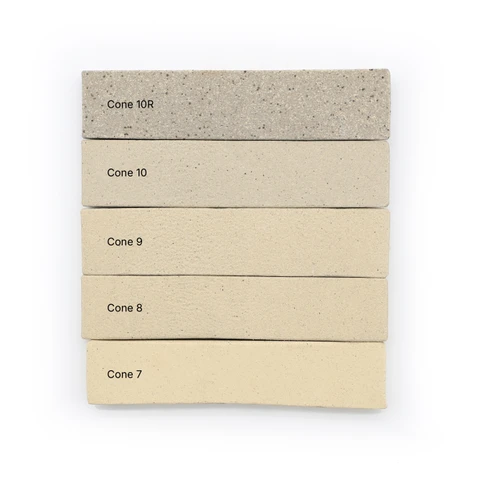
Cone 9 · 10 · 10R – we recommend cone 10 reduction (cone 10 = 1285 °C / 2345 °F). Sculpture fires from cone 6 through to cone 10 reduction, and resists warping above cone 8.
Tan to brown in oxidation · brown in reduction, with a buff speckle on a dark background
Dry 5.0–6.0% · fired 3.2–3.4% at cone 9, 3.3–3.6% at cone 10, 3.3–3.6% at cone 10 reduction
Cone 9 5.8–6.0% · cone 10 5.3–5.6% · cone 10 reduction 5.5–5.9%
Every figure is a measured range from the Plainsman lab, not a single nominal number. Cone equivalents are Orton self-supporting cones at 108 °F/hr.
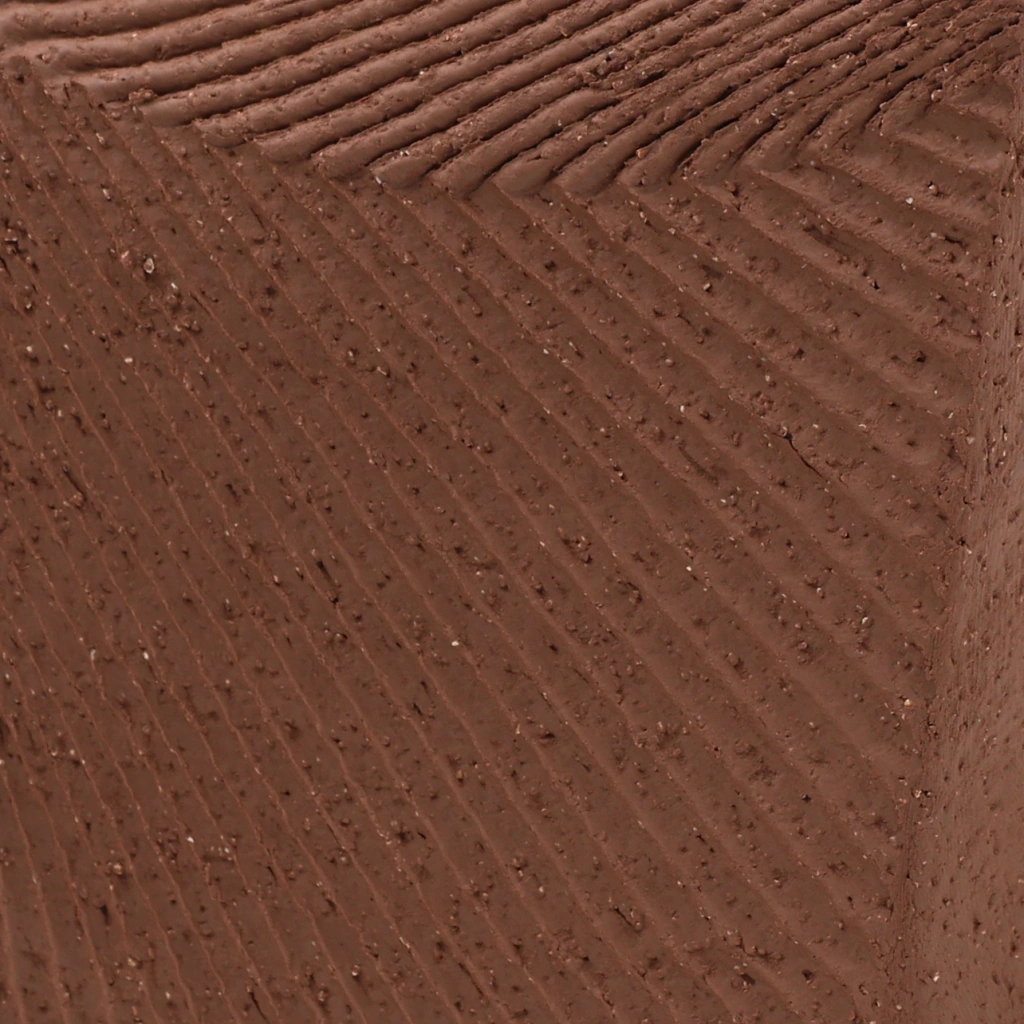
Sculpture is heavily grogged and highly plastic at the same time, which is not a combination most sculpture bodies manage. That plasticity is what lets you push a form out into overhung and exaggerated shapes and have it hold.
It is a departure from the native grog bodies we have traditionally made. The grog here is coarse, with no fine particles, and it sits on a smooth, fine-particled plastic base. Two things follow from that: it is less prone to water splitting than our older sculpture clays, and the coarse grog presses down into the soft base rather than dragging, so it is less abrasive to work.
It also fires far more vitreous than a typical sculpture body. The denser fired matrix makes for stronger, more durable work, and stands up better to freeze and thaw – which matters for anything going outdoors.


