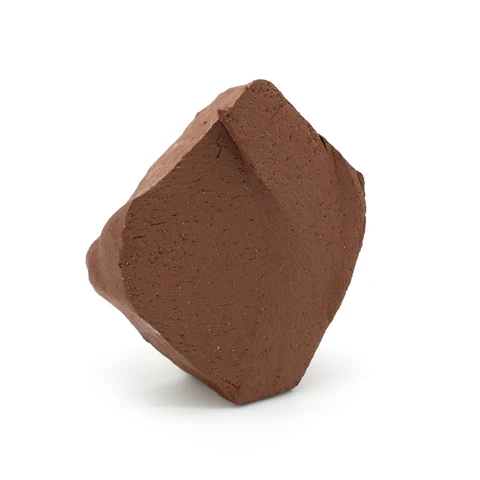



Plainsman Clays | H570

$57.20 / 20 kg (44 lb) Pugged
$0
Suggested retail price. In-store prices and availability may vary by location.
High fired, White to grey-white burning, Smooth, Plastic, Semi-vitreous, Whiteware, Throwing clay body
High temperature whiteware · white to grey-white burning · semi-vitreous · functional
Smooth and plastic · develops little slip on the wheel, and the surface lubricates well
Throwing · functional stoneware · bright glaze colours · slip decoration · reduction and oxidation firing
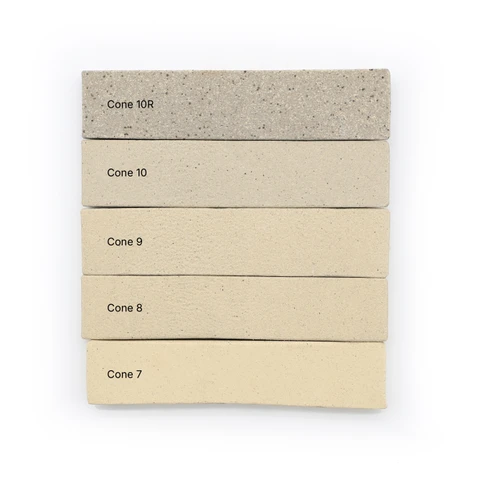
Cone 9 · 10 · 10R – we recommend cone 10 (cone 10 = 1285 °C / 2345 °F). H570 fires denser in reduction than in oxidation, and does not reach zero porosity at cone 10.
White to grey-white, in both oxidation and reduction
Dry 6.0–7.0% · fired 7.0–7.9% at cone 9, 7.8–8.1% at cone 10, 7.8–8.1% at cone 10 reduction
Cone 9 1.1–1.9% · cone 10 0.5–1.0% · cone 10 reduction 0.3–0.8%
Every figure is a measured range from the Plainsman lab, not a single nominal number. Cone equivalents are Orton self-supporting cones at 108 °F/hr.
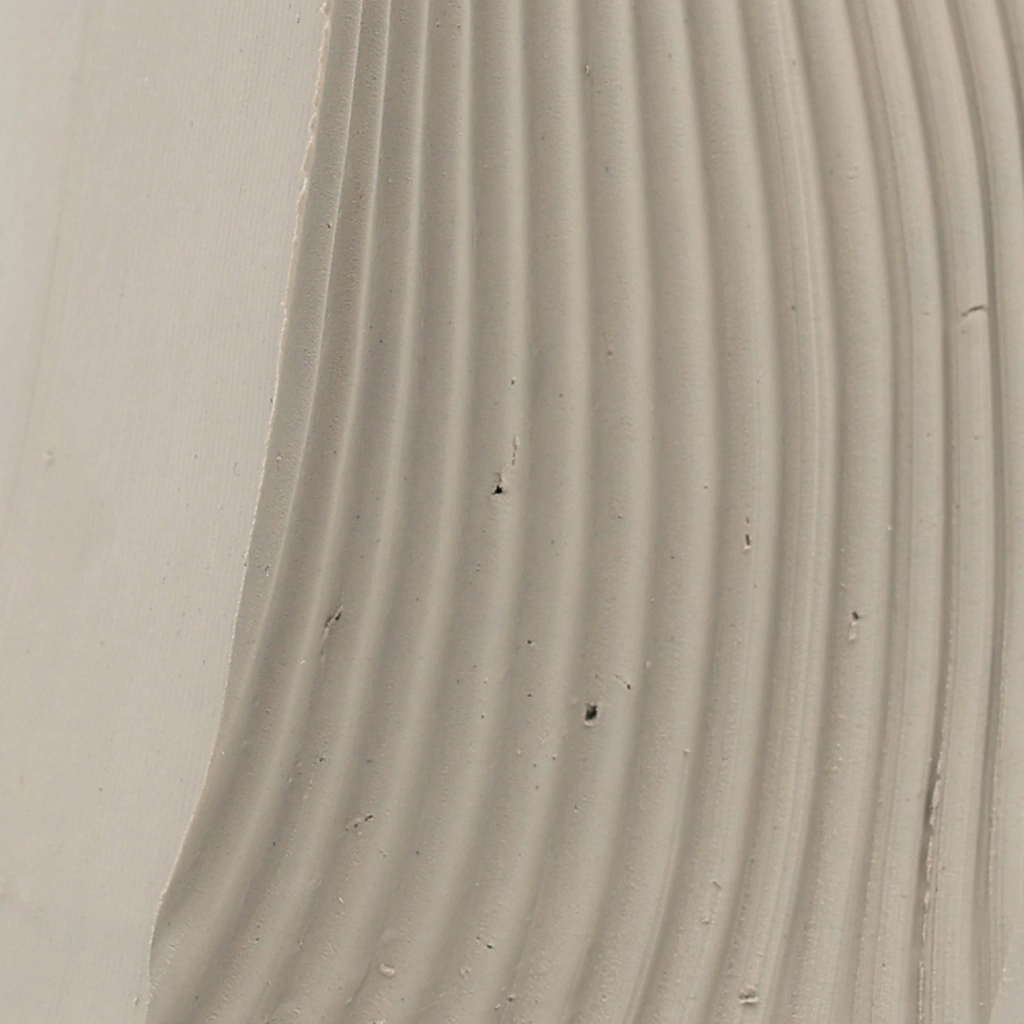
H570 is a white-burning body for high-fire functional ware, based on ball clay and kaolin. It falls between stoneware and porcelain, and the trade-off is deliberate: it is less white and less vitreous than our porcelains, but in exchange, it dries better, warps less in the kiln, accepts glaze more easily, and performs more consistently from batch to batch.
It develops little slip on the wheel while still providing good surface lubrication, so there is less mess to clean up afterward. The balance of kaolin and ball clay provides good particle packing, allowing it to dry better than bodies with a high ball-clay content.
The fired surface and strength are closer to those of stoneware than porcelain. Lids are less likely to stick to the rims of containers during firing, and overfired ware is less likely to warp, bloat, or fuse to the shelf.