


Plainsman Clays | RAKU
$0
Suggested retail price. In-store prices and availability may vary by location.
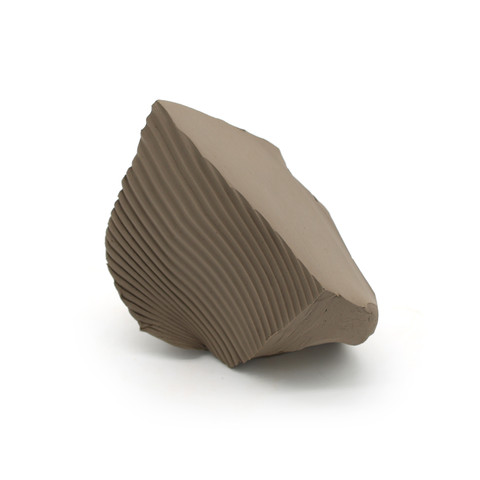
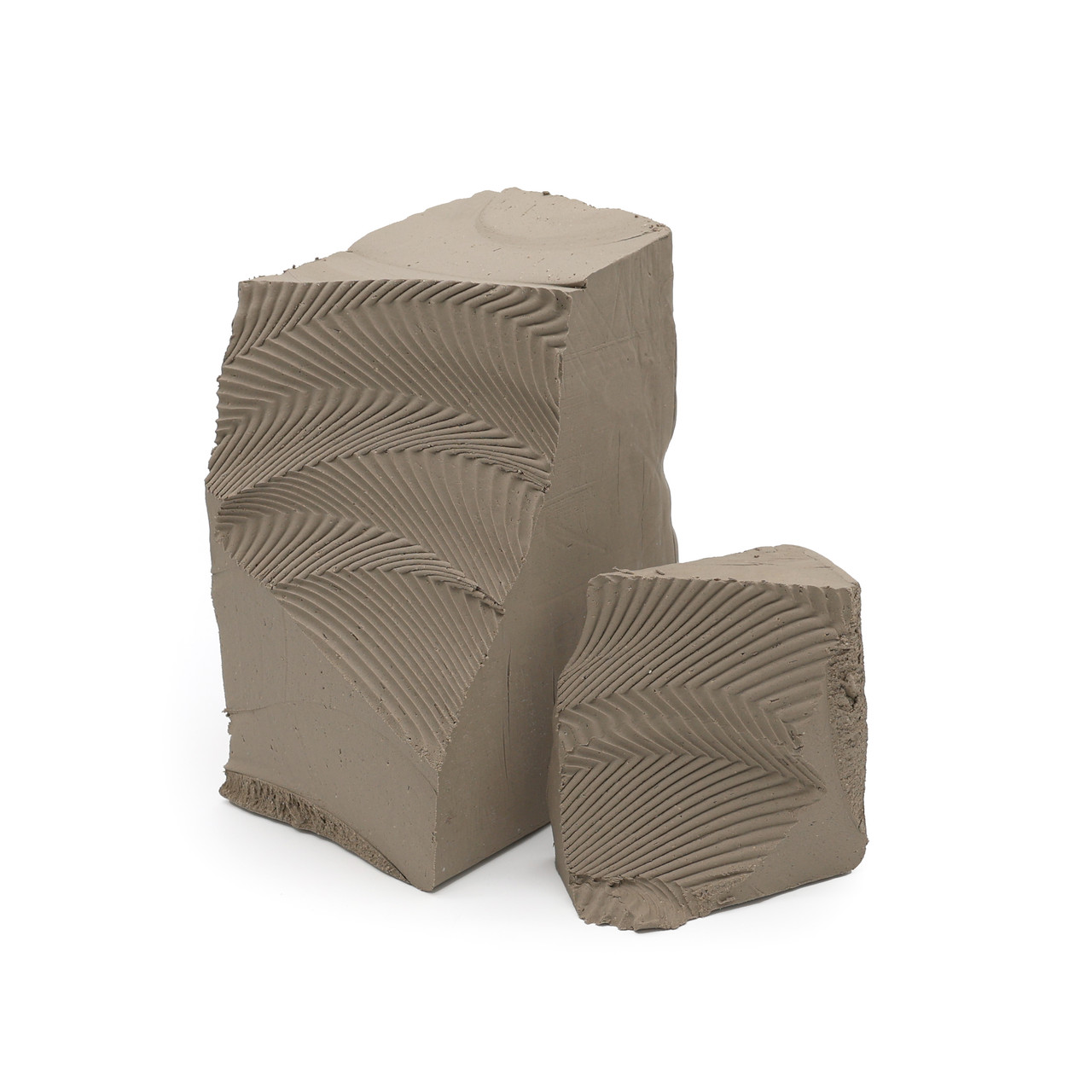
Grogged, Thermal shock resistant, Throwing and Hand-building clay body
Grogged raku body · formulated for thermal shock resistance · throwing and hand-building
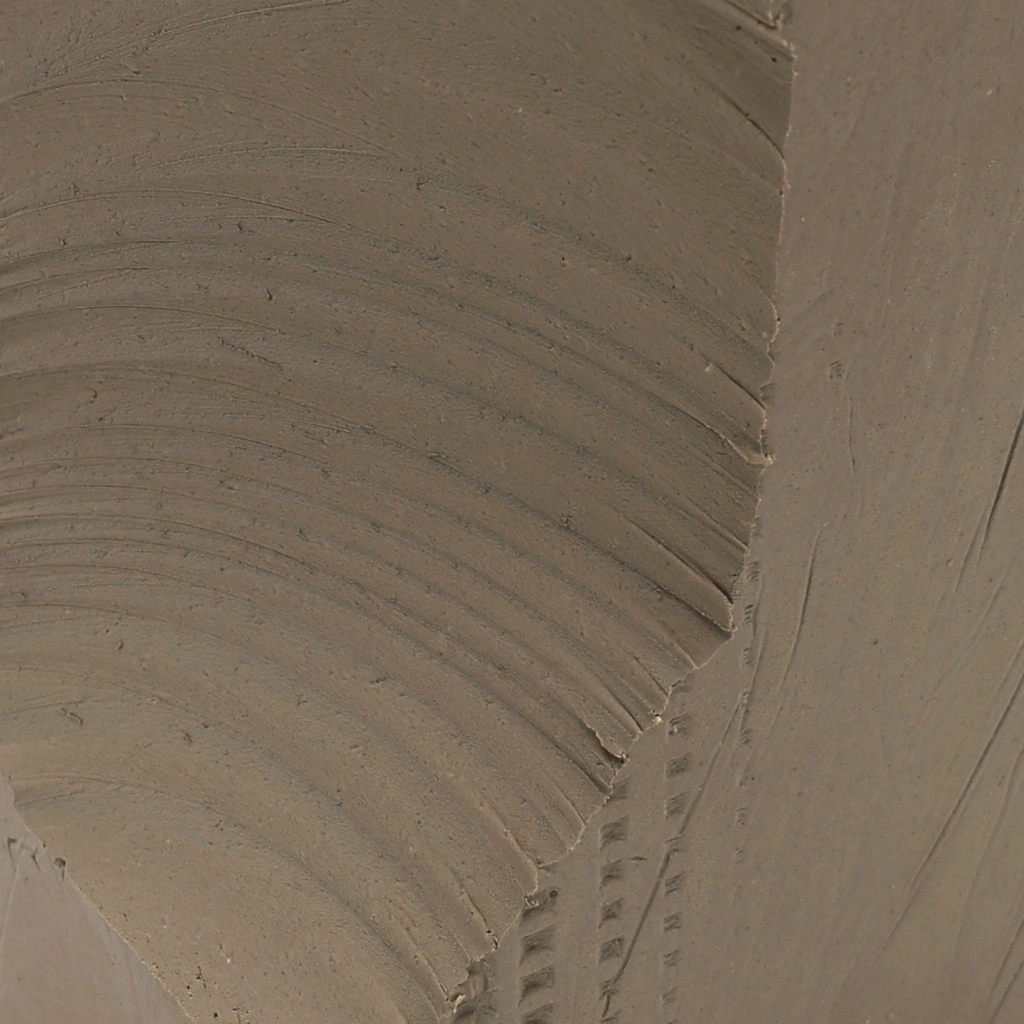
Heavily grogged, on a smooth clay base – no angular silica sand
Raku firing · throwing · hand-building · burnishing
Cone 6 · 8 · 10 – can be fired to cone 10 (cone 10 = 1285 °C / 2345 °F). In a raku firing the temperature varies.
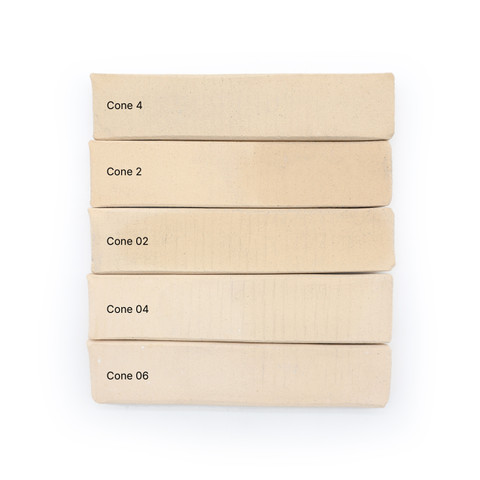
Warm straw at cone 6 and 8 · warmer greyish at cone 10 and cone 10 reduction. In raku, the finished colour depends on the method – a pot taken into post-firing reduction will come out a reduced black.
Dry 6.0–6.6% · fired 2.7–3.4% at cone 6, 3.2–4.5% at cone 8, 4.4–4.7% at cone 10
Cone 6 8.0–8.5% · cone 8 5.3–6.2% · cone 10 3.2–4.9%
Every figure is a measured range from the Plainsman lab, not a single nominal number. Cone equivalents are Orton self-supporting cones at 108 °F/hr.
Raku is a process. Pots are heated in a raku kiln – typically a propane tank and a tiger torch – until they glow red, then removed and put into a reductive state: quenched in water, or in a material such as straw, and covered so no air can reach the pot. Temperatures vary from firing to firing. This body is formulated to handle the thermal shock that process puts on a pot: plenty of grog, and a low thermal expansion.
The grog sits on a smooth clay base rather than the angular silica sand used in many raku bodies. That is what keeps it throwable – the thermal shock resistance is there without the abrasiveness.
It is not limited to raku. The body can also be used as a high temperature clay body, and fires successfully to cone 10.