
Plainsman Clays | L210
L210 Low Fire Clay
$0
Suggested retail price. In-store prices and availability may vary by location.
Low fired, Orange red burning, Smooth, Silty, Medium plastic, Throwing and Hand-building clay body
Specifications
Type
Low temperature silty earthenware · orange red burning · throwing and hand-building body
Texture
Smooth and medium plastic, with a slight silty tooth
Usage
Throwing · hand-building · slab work · schools and teaching studios
Temperature
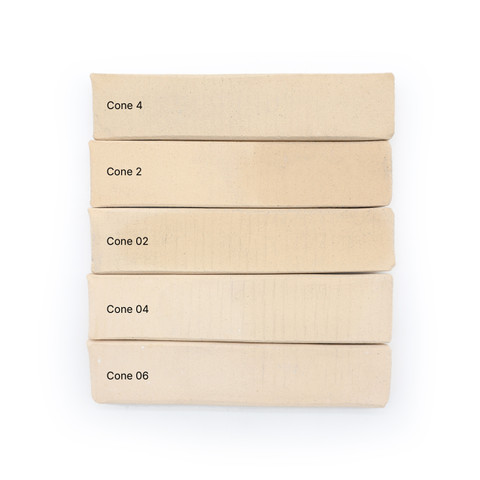
Cone 06 · 04 · 02 – we recommend firing between cone 06 and cone 04 (cone 04 = 1063 °C / 1945 °F). Some people take L210 as high as cone 2.
Colour
Light warm orange red at cone 06 to 04 · slowly darkening to a brown at higher temperatures
Shrinkage
Dry 7.5–8.0% · fired 0.3–0.6% at cone 06, 2.1–2.6% at cone 04, 3.0–4.3% at cone 02
Absorption
Cone 06 13.0–14.0% · cone 04 9.0–10.5% · cone 02 6.0–7.0%
Every figure is a measured range from the Plainsman lab, not a single nominal number. Cone equivalents are Orton self-supporting cones at 108 °F/hr.
Description
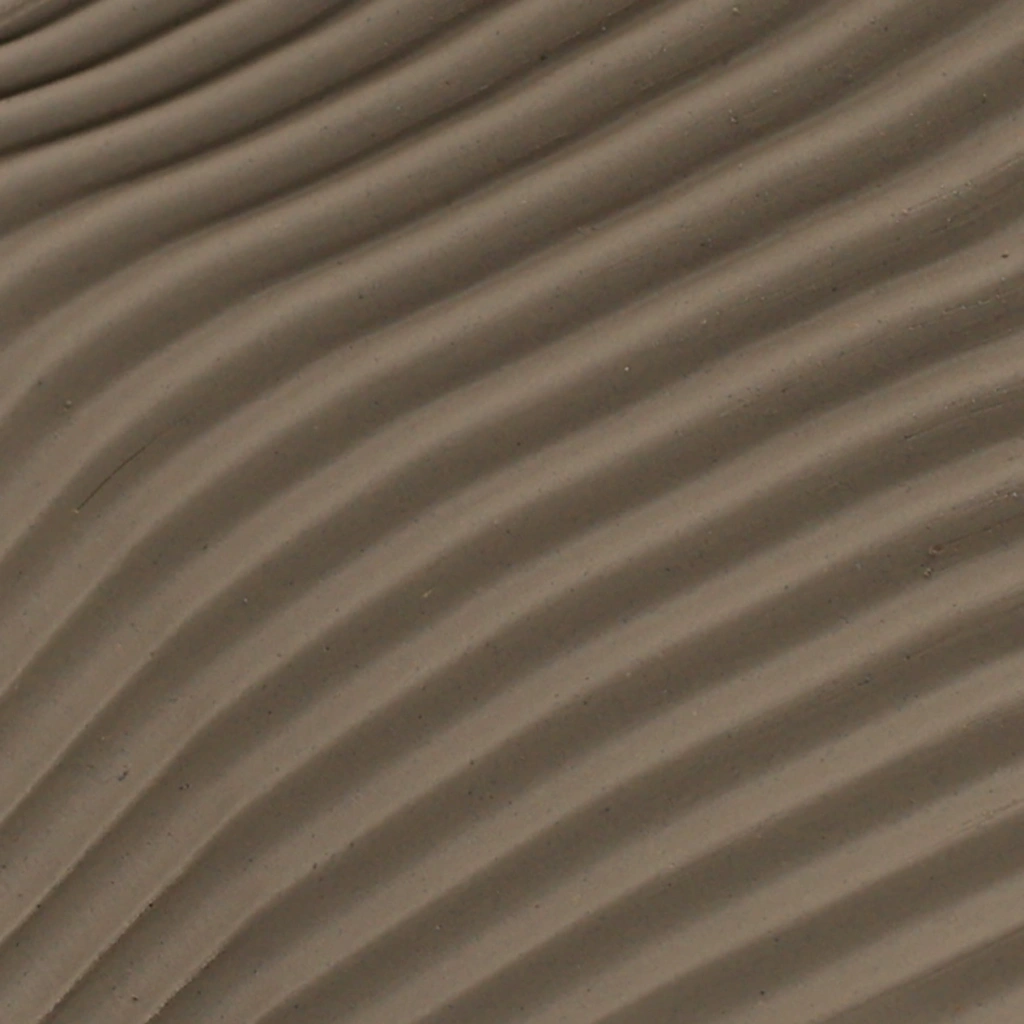
L210 is a smooth, silty, low-fire earthenware clay with medium plasticity and no talc. Designed for teaching studios, its light raw colour helps make classroom cleanup quick and easy.
L210 has an exceptionally wide firing range for a low-fire clay body, from cone 06 to cone 2. At cone 06 it remains open and porous, with 13.0–14.0% absorption and 0.3–0.6% fired shrinkage. At cone 2 it develops a denser fired body, with absorption decreasing to 0.9–1.3% and fired shrinkage increasing to 5.2–6.0%.
Working properties
- Smooth and medium plastic, with a slight silty tooth which suits slab work, hand-building and throwing.
- Even and slow drying is recommended to avoid drying cracks.
- L210 has good green strength.
Fired colour & cone behaviour
- L210 offers an impressively versatile firing range, from cone 06 through cone 2, giving makers the flexibility to achieve different results with one dependable clay body.
- At cone 06, L210 remains open and porous, with 13.0–14.0% absorption and just 0.3–0.6% fired shrinkage. The colour is a light warm orange red.
- Fired to cone 2, it develops a tighter, denser body with only 0.9–1.3% absorption and 5.2–6.0% fired shrinkage, and a much darker brown colour.
- This broad firing range makes L210 a flexible and rewarding clay to work with – simply account for the increased shrinkage when planning pieces for higher-temperature firings.
Glazes & glaze fit
- Made exclusively from our native clays and formulated without talc, L210 offers a naturally lower thermal expansion than traditional talc-based low-fire bodies. This distinctive composition makes it an appealing choice for makers who value local materials and a versatile clay body. Because many commercial low-fire glazes are designed for higher-expansion talc bodies, some may craze on L210.
- For the best results, test each glaze on L210 before using it on a finished piece, as glaze fit can vary by formula and firing schedule. A simple thermal-shock test can help reveal crazing or shivering and confirm that your chosen glaze and firing combination is a good match.