

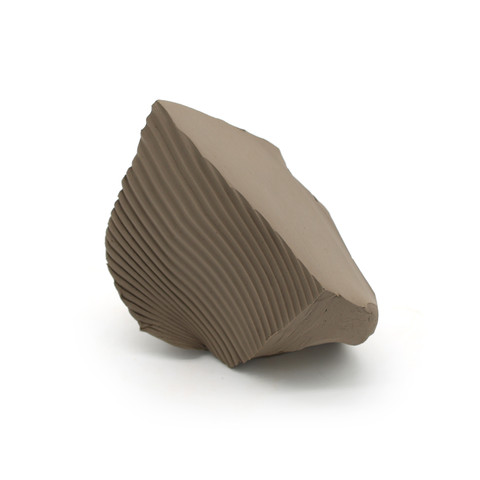


Plainsman Clays | L212

$46.55 / 20 kg (44 lb) Pugged
$0
Suggested retail price. In-store prices and availability may vary by location.
Low fired, Cream to grey buff burning, Smooth, Medium plastic, Talc earthenware, Throwing and Modelling clay body
Low temperature refined talc earthenware · cream to grey buff burning · throwing and modelling body
Smooth and medium plastic – our native stoneware clays with added talc
Throwing · modelling · schools and teaching studios · low-fire work finished with commercial glazes
Cone 06 · 04 · 02 – for best results we recommend firing between cone 06 and cone 04 (cone 04 = 1063 °C / 1945 °F)
Light cream at cone 06–04 · deepening to a yellow buff by cone 2 and a grey buff above cone 2
Dry 6.1–6.6% · fired 1.2–1.6% at cone 06, 1.3–1.9% at cone 04, 2.5–3.0% at cone 02
Cone 06 14.1–14.8% · cone 04 13.4–13.9% · cone 02 11.0–11.4%
Every figure is a measured range from the Plainsman lab, not a single nominal number. Cone equivalents are Orton self-supporting cones at 108 °F/hr.
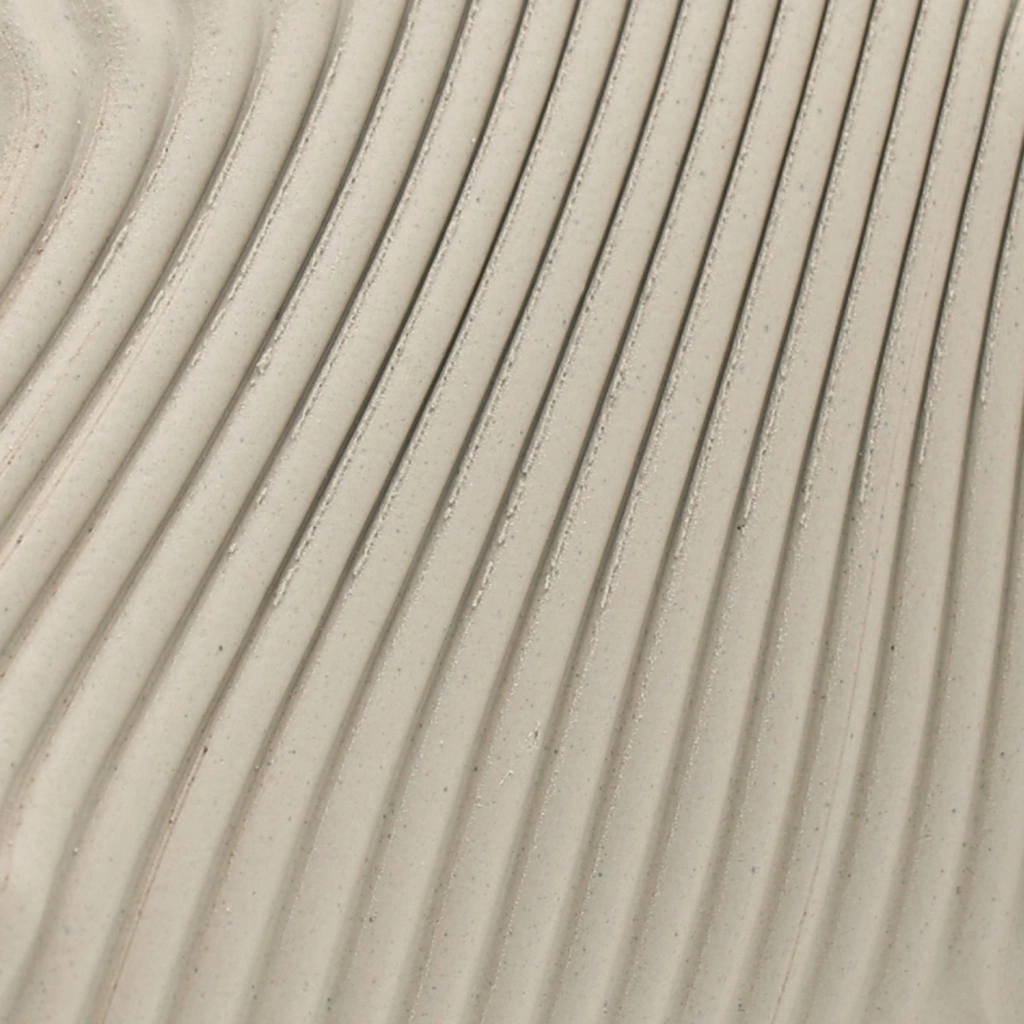
L212 is a refined talc earthenware mixed with our native stoneware clays. Its smooth texture, medium plasticity, and reliable dry strength make it an excellent choice for schools, teaching studios, and everyday low-fire projects.
Formulated for use with commercial low-fire glazes, L212 fires to a light cream at cone 06–04. At higher temperatures, the body gradually deepens to a yellow buff by cone 2 and a grey buff above cone 2.


