
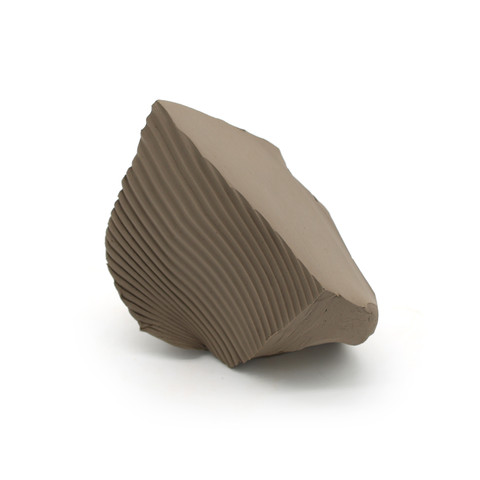


Plainsman Clays | L215

$40.94 / 20 kg (44 lb) Pugged
$0
Suggested retail price. In-store prices and availability may vary by location.
Low fired, Red burning, Smooth, Plastic, Terra cotta, Throwing and Hand-building clay body
Low temperature terra cotta · red burning · throwing and hand-building body
Smooth and plastic – a blend of our native red clays and our native stoneware clay
Throwing · hand-building · low-fire work finished with commercial glazes
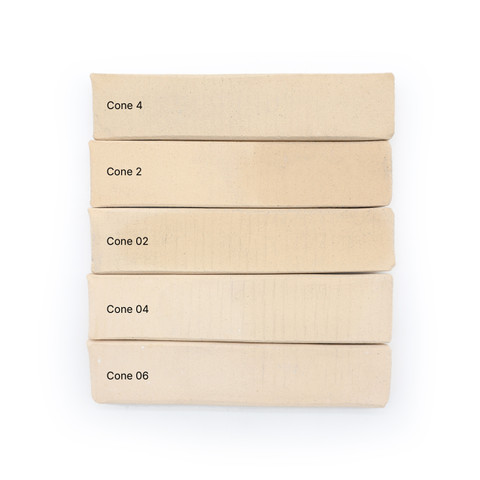
Cone 06 · 04 · 02 – we recommend cone 04 to 03 (cone 04 = 1063 °C / 1945 °F). Terra cotta is weak and porous at cone 06.
Light red at cone 06–04 · brick red at cone 02
Dry 7.5–8.3% · fired 0.3–0.6% at cone 06, 2.8–3.2% at cone 04, 3.5–4.2% at cone 02
Cone 06 10.0–11.5% · cone 04 7.3–7.8% · cone 02 4.0–4.4%
Every figure is a measured range from the Plainsman lab, not a single nominal number. Cone equivalents are Orton self-supporting cones at 108 °F/hr.
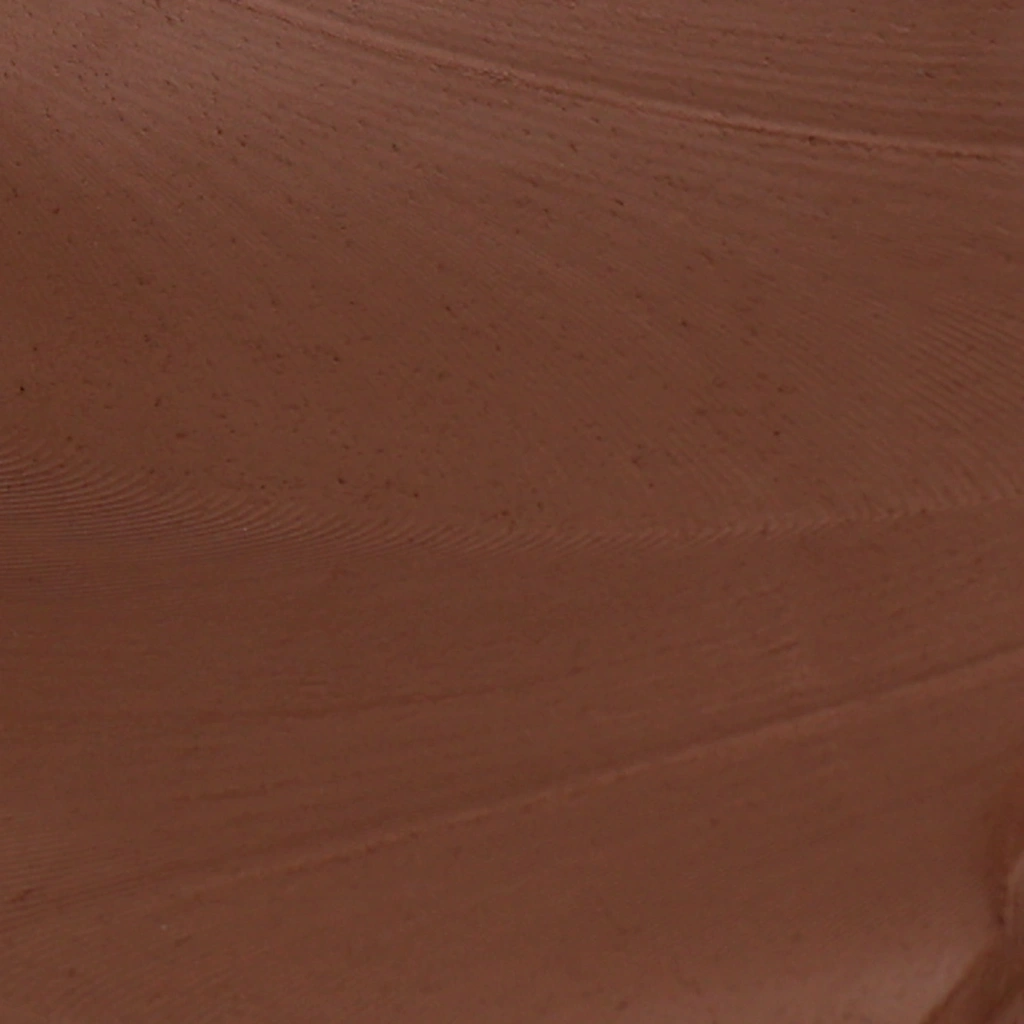
L215 is a blended body made with our native red clays and our native stoneware clay. It has excellent working properties and green strength.
Cone choice sets the colour as well as the strength: light red at cone 06 to 04, brick red at cone 02, with the body firing harder the higher it is taken.