


Plainsman Clays | M332G

$40.20 / 20 kg (44 lb) Pugged
$0
Suggested retail price. In-store prices and availability may vary by location.
Mid fired, Warm brown burning, Grogged, Medium plastic, Hand-building and Sculpture clay body
Mid-fire grogged sculpture body · warm brown burning · hand-building
Medium plastic with 15% added grog – open, and coarse to the touch
Hand-building · sculpture · larger forms. Not a wheel clay – most people find it uncomfortable to throw.
Cone 5 · 6 · 7 (cone 6 = 1222 °C / 2232 °F)
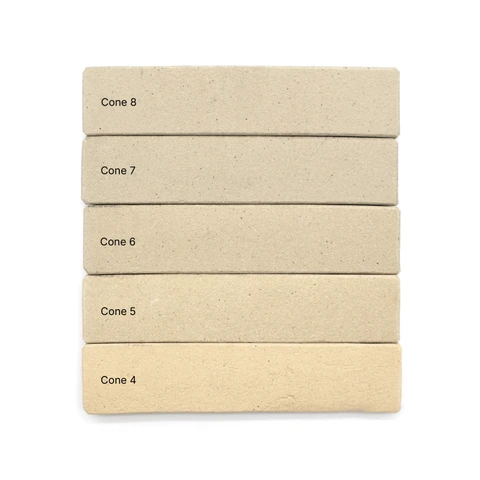
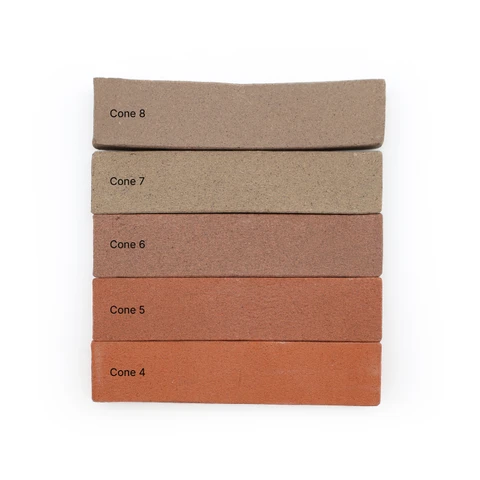
Warm red at cone 5 · brown at cone 6 and 7
Dry 7.5–8.3% · fired 3.0–3.5% at cone 5, 3.3–3.9% at cone 6, 3.9–4.6% at cone 7
Cone 5 6.9–7.3% · cone 6 6.2–6.8% · cone 7 5.3–6.8%
Every figure is a measured range from the Plainsman lab, not a single nominal number. Cone equivalents are Orton self-supporting cones at 108 °F/hr.
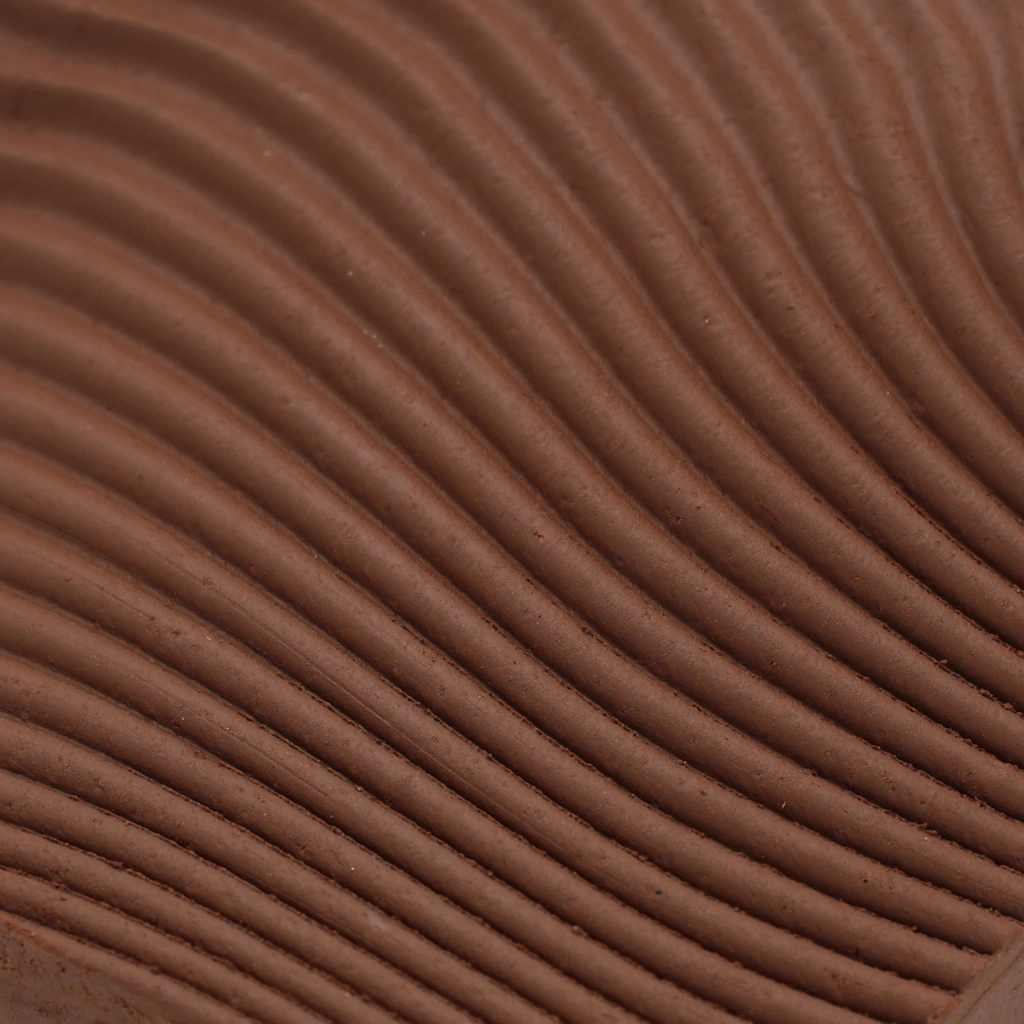
M332G is the grogged version of M332, designed for work that is too large or too thick for a smooth body. The grog helps vent moisture from heavy walls and reduces drying shrinkage – the two factors that most often determine whether a sculptural piece survives.
M332G remains an open body, making it better suited to sculpture and hand-built forms than to functional ware that needs to hold liquid. Because of its high porosity, it is not recommended for outdoor sculptural work.